
Why Proactive Property Management Matters More in a Challenging Office Market

While Canada’s commercial real estate market is showing signs of recovery, the office sector continues to face more unique challenges that require property owners to adapt their strategies. For property owners, the challenge is no longer simply filling space. It is maintaining the value, competitiveness and performance of the asset in a market where tenants have more choice and expectations have changed.
Ottawa is a good example of this evolving environment. According to CBRE’s Q2 2026 Ottawa Office Figures, the city’s office vacancy rate increased to 15.0% in the second quarter, up from 14.3% in Q1. The increase represented approximately 120,000 square feet of negative net absorption and marked the fourth consecutive quarter of increasing vacancy.
At the same time, the broader Canadian office market is beginning to show more positive momentum. CBRE’s Q2 2026 Canada Office Figures reported 1.2 million square feet of positive net absorption nationally, marking the fourth consecutive quarter of positive momentum.
The takeaway for Ottawa property owners is not that the office market is simply “good” or “bad.” It is becoming increasingly competitive, and that makes proactive property management more important than ever.
Property Management Is About More Than Keeping the Lights On
Traditionally, commercial property management has been viewed as an operational function: collect rent, coordinate maintenance, manage vendors and respond when something goes wrong.
Those responsibilities remain essential, but today’s environment demands more.
When tenants have greater choice, the day-to-day experience of a building can influence whether they renew, expand, relocate or recommend the property to others. A slow response to a maintenance issue may not seem significant in isolation, but repeated issues can contribute to a broader perception that a building is not being well managed.
Proactive property management takes a different approach. Instead of waiting for problems to become visible, property managers identify potential issues early, maintain strong relationships with tenants and vendors, and continuously look for ways to protect the property’s long-term performance.
That shift can be especially valuable when vacancy is elevated.
Tenant Retention Starts With the Building Experience
In a competitive office market, retaining an existing tenant can be just as important as attracting a new one.
A tenant’s relationship with a property is shaped by dozens of small interactions: How quickly is a service request addressed? Are common areas clean and well maintained? Does the building feel safe and professional? Are building communications timely and clear? Are repairs handled before they become disruptions?
These details contribute to the overall tenant experience.
For Ottawa landlords, this matters as businesses continue to determine how much office space they actually need in a hybrid work environment. The office is no longer simply a place employees are required to occupy five days a week. For many organizations, it needs to provide a reason to come in, whether that means supporting collaboration, client meetings, culture or productivity.
A well-maintained and professionally managed property can help reinforce that value.
Preventative Maintenance Protects More Than the Building
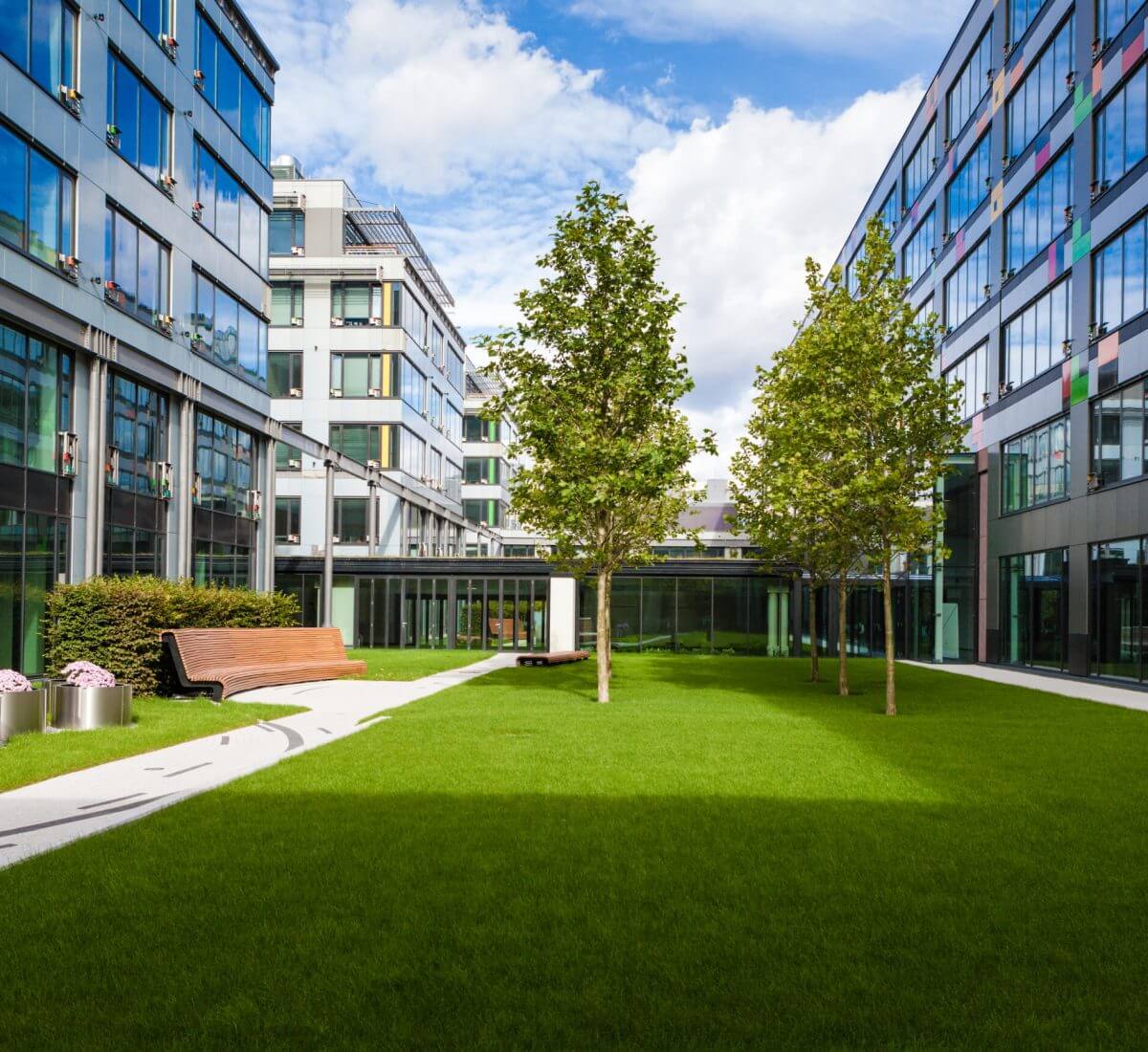
One of the clearest advantages of proactive property management is preventative maintenance.
Commercial buildings contain complex systems that require ongoing attention, from HVAC and electrical systems to plumbing, roofing, elevators and building envelopes. Waiting until a system fails can result in higher repair costs, unexpected disruptions and dissatisfied tenants.
A preventative approach involves routine inspections, identifying wear and planning repairs before they become emergencies.
It also allows owners to plan capital expenditures more effectively. Rather than being surprised by a major repair, property owners can better anticipate future requirements and prioritize investments based on the condition and needs of the asset.
This is particularly important in an environment where owners are already balancing operating costs against the need to keep their buildings competitive.
A Changing Office Market Requires a More Strategic Approach
Ottawa’s office market is not operating in isolation. Across Canada, office demand is evolving as employers refine their workplace strategies. JLL’s Q2 2026 Canada Office Market Dynamics report describes the national office market as recording its strongest quarterly net absorption since 2018. That improvement is encouraging, but it does not mean every building or submarket will benefit equally. The market is increasingly differentiating between properties based on quality, location, amenities and overall tenant experience.
For property owners, this means simply having available space is not necessarily enough. Buildings need to remain competitive. That could mean improving common areas, addressing deferred maintenance, upgrading building systems, improving signage and wayfinding, enhancing amenities or simply ensuring that tenants receive a consistently high level of service.
The right strategy will vary from property to property, but the underlying principle is the same: maintaining an asset should be viewed as an ongoing investment, not a reaction to problems.
In the National Capital Region, there’s no better partner than Merkburn Holdings. With over 1,000 happy clients and 50 years of experience developing relationships and building businesses.
They can help you as your business grows, advise you on the best courses of action, and even retrofit your spaces as your business needs change. When it comes to finding the right commercial lease, Ottawa businesses have always appreciated the care and consideration offered to them by Merkburn Holdings.
If you have questions, or would like to explore the retail buildings or office spaces they have available, reach out and contact them for more information. With over 800,000 square feet of space in their portfolio, they also provide property management in Ottawa that is flexible and designed to meet the needs of their clients.
Proactive Management Can Help Control Operating Costs
Being proactive does not necessarily mean spending more.
In many cases, it means spending more intelligently. Regular building inspections can identify small issues before they require expensive repairs. Strong vendor relationships can improve response times and help owners negotiate more effectively. Preventative maintenance can extend the useful life of equipment. Reviewing building systems and utility usage can identify opportunities for greater efficiency.
It also means keeping accurate records and understanding the property’s operational history.
A property manager who knows which systems are approaching the end of their useful life, which vendors consistently perform well and which recurring issues tenants experience is in a much stronger position to make informed decisions than one who is simply responding to the latest service request.
The Role of Property Management Is Evolving
The Canadian office market may be entering a period of gradual recovery, but the challenges facing property owners are unlikely to disappear overnight.
Royal LePage’s 2026 commercial real estate outlook, reported by ConstructConnect, anticipates continued recovery in the office sector as leasing activity benefits from evolving return-to-office trends.
That recovery creates opportunities, but it also raises the importance of being prepared.
For Ottawa property owners, proactive management is ultimately about protecting the asset through changing market conditions. It means understanding what tenants need, maintaining the building before problems arise, managing operating costs carefully and identifying opportunities to improve the property’s competitiveness.
In a challenging office market, property management should not simply be viewed as an expense associated with operating a building. It is part of the strategy for protecting the building’s value.
The properties that are best positioned for the next phase of Ottawa’s commercial real estate market will not necessarily be the newest buildings or those with the largest amount of available space. They will be the properties that consistently deliver a well-maintained, professional and responsive environment for the businesses that occupy them.
In today’s office market, proactive property management is no longer a competitive advantage. It is a business necessity.
Our Office
- 2191 Thurston Drive
- 613.224.5464
- info@merkburn.com
- Privacy Policy